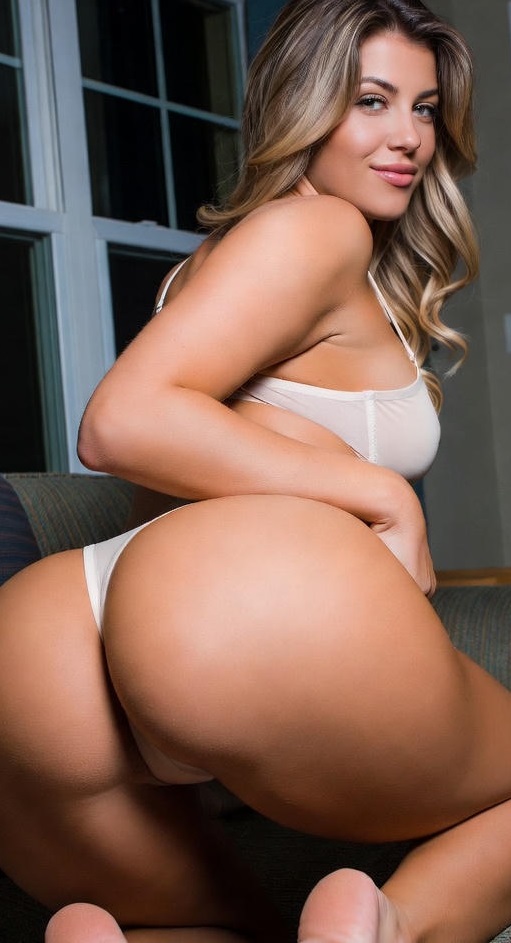
Harnessing AI-Powered Tools for Stunning Digital Glamour and Fashion Art
In the ever-evolving world of digital art and fashion, the boundaries between imagination and reality are blurring faster than ever. With the advent of advanced AI-powered portrait creation tools, artists and designers can now craft stunning AI-generated nude art that transcends traditional limitations. Whether you’re exploring digital glamour aesthetics, experimenting with synthetic fashion illustrations, or envisioning futuristic fashion concepts, an AI nude art generator opens doors to endless creative possibilities.
This article will guide you through how to harness the power of artificial intelligence to transform your ideas into breathtaking visuals. From generating hyper-realistic digital models to creating AI-generated haute couture, we’ll explore how to use these tools to bring your most daring visions to life while maintaining artistic integrity and professional quality.
Why Choose AI-Generated Nude Art?
The rise of generative AI for art has revolutionized how we approach nude art and fashion illustration. Unlike traditional methods that require extensive manual work, AI-powered tools allow you to:
- Create synthetic nude illustrations in minutes instead of hours or days.
- Experiment with AI glamour portrait generator styles to achieve unique looks that push creative boundaries.
- Generate digital glamour fashion sketches and virtual runway looks without the need for physical models.
- Achieve AI fashion design tools that adapt to your style with minimal input, saving time and resources.
- Explore deepfake glamour imagery ethically—when used responsibly, these tools can enhance artistic expression rather than replace human creativity.
From AI-generated body art to synthetic beauty photography, the possibilities are vast. The key is understanding how to prompt the AI effectively to achieve the desired aesthetic.
How to Use an AI Nude Art Generator for Glamour Styles
The magic of AI-generated nude art lies in its ability to interpret your prompts and translate them into stunning visuals. To get the best results, follow these steps:
Step 1: Upload Your Reference Image
Most AI fashion design tools allow you to upload a base image—whether it’s a photograph, a sketch, or even a simple silhouette. This serves as a starting point for the AI to build upon. For digital glamour aesthetics, consider using high-resolution images that capture the essence of the look you’re aiming for. Whether it’s a classic synthetic nude portrait art or a bold AI glamour fashion design, the reference image sets the tone.
Step 2: Define Your Glamour Style
Glamour is subjective, but the AI can interpret specific styles if you guide it with precise prompts. Here are some AI glamour portrait creation styles you might explore:
- Classic Hollywood Glamour: Think timeless elegance with soft lighting, polished makeup, and sophisticated poses.
- Cyberpunk Glamour: A blend of futuristic fashion with neon accents, metallic textures, and high-tech accessories.
- Art Deco Glamour: Geometric patterns, bold jewelry, and a retro-futuristic vibe that exudes luxury.
- Minimalist Glamour: Clean lines, monochromatic palettes, and a focus on form and silhouette.
- Dark Glamour: Dramatic lighting, deep shadows, and a moody, edgy aesthetic.
Use descriptive language in your prompts to guide the AI. For example, instead of saying “a nude model,” try:
“A hyper-realistic digital model in a neural style transfer art inspired by 1920s Art Deco, with gold accents, a feathered headdress, and a long, flowing gown—soft lighting with a warm glow.”
Step 3: Refine with AI-Powered Enhancements
Once the AI generates an initial version, you can refine it using various AI-enhanced beauty rendering tools. Most platforms offer features like:
- Pose Adjustment: Modify angles and body language to achieve the perfect composition.
- Lighting Control: Adjust shadows, highlights, and color tones for different moods.
- Texture and Detail Enhancement: Add depth to skin, fabric, or accessories for a more realistic or stylized look.
- Background Integration: Place your model in a virtual setting, such as a virtual runway or a glamorous studio.
For AI-generated haute couture, you might experiment with intricate details like embroidery, beading, or metallic fabrics. The AI can even generate synthetic fashion illustrations that mimic hand-drawn fashion sketches with a digital twist.
Step 4: Iterate and Experiment
The beauty of generative AI for fashion is that you can generate multiple variations quickly. Don’t be afraid to:
- Try different AI fashion concept art styles in one session.
- Combine elements from different references to create something entirely new.
- Experiment with deepfake fashion imagery to explore what-if scenarios in fashion design.
- Use the tool to generate AI-generated fashion mood boards for inspiration.
For example, you might start with a digital glamour portrait generation of a model in a classic gown and then iterate to create a virtual fashion avatar wearing a futuristic bodysuit with holographic elements.
Exploring Different Glamour Styles with AI
One of the most exciting aspects of using an AI nude art generator is the ability to explore a vast array of AI glamour fashion illustrations. Below are some styles you can achieve with the right prompts:
Neoclassical Glamour
A timeless blend of ancient Greek and Roman influences with modern elegance. Think draped fabrics, marble-like skin tones, and a serene, almost mythological aura.
Cyber Glam
Where high fashion meets futuristic technology. Expect neon colors, holographic textures, and a sleek, almost mechanical aesthetic.
Boho Glam
Free-spirited and eclectic, this style combines earthy tones with bold accessories and flowing fabrics. Think bohemian chic meets high fashion.
Dark Romanticism
A moody, dramatic style inspired by Gothic art, with deep shadows, rich textures, and a sense of mystery.
Minimalist Luxury
Less is more in this style, where simplicity and sophistication reign. Clean lines, monochrome palettes, and a focus on form.
Retro Futurism
A blend of vintage aesthetics with futuristic elements, creating a nostalgic yet forward-thinking look.
Ethical Considerations and Best Practices
While AI-generated nude art offers incredible creative freedom, it’s important to approach it responsibly. Here are some guidelines to ensure ethical use:
Respect Boundaries and Consent
Even though the AI generates synthetic images, it’s crucial to avoid creating content that could be misused or exploited. Always ensure that your work aligns with ethical standards and doesn’t perpetuate harmful stereotypes or objectification.
Use AI as a Creative Tool, Not a Replacement
The best AI fashion concept art is often a collaboration between human creativity and AI assistance. Use the tool to enhance your ideas, not to replace your artistic vision entirely. For example, you might use the AI to generate a synthetic nude digital art concept and then refine it with traditional techniques.
Be Transparent About AI-Generated Content
If you’re using AI-generated editorial fashion in professional settings, it’s good practice to disclose that the images were created with AI. This builds trust with your audience and maintains transparency in your creative process.
Focus on Artistic Expression, Not Realism
While hyper-realistic digital models are impressive, don’t feel limited to photorealism. Experiment with neural style transfer art to blend different artistic styles or create entirely new visual languages. The goal is to push the boundaries of what’s possible in digital nude art creation.
Getting Started with an AI Nude Art Generator
Ready to dive into the world of AI-generated body art and digital glamour aesthetics? Here’s how you can begin:
Step 1: Choose the Right Platform
Look for an AI fashion illustration software that specializes in glamour and nude art. Some platforms offer free trials or demo versions, allowing you to test the tool before committing. Key features to look for include:
- High-quality output with detailed textures and realistic lighting.
- Customizable styles to match your creative vision.
- User-friendly interface for easy navigation and editing.
- Collaboration tools if you’re working with a team.
Step 2: Upload Your Reference Image
Start by uploading a clear, high-resolution image that captures the essence of the look you want to achieve. This could be a photograph, a sketch, or even a simple outline. For AI-generated haute couture, consider using images of real fashion pieces or conceptual sketches.
Step 3: Craft Your Prompt
The power of generative AI for art lies in your ability to describe what you want. Be as specific as possible in your prompts. For example:
“Generate a digital glamour portrait of a model in a 1930s-style gown with pearl embellishments, long gloves, and a feathered headpiece. Use a soft, diffused lighting technique with a warm golden hue. The background should be a grand ballroom with chandeliers.”
Adjust the prompt based on the results you receive. If the AI misses the mark, refine your description and try again.
Step 4: Experiment and Refine
Once the AI generates an initial version, don’t hesitate to experiment. Try different poses, lighting setups, and styles. Use the tool’s editing features to fine-tune details like skin texture, fabric folds, and accessory placement. For AI fashion trend forecasting, you might generate multiple looks to see which resonates most with your vision.
Step 5: Save and Share Your Masterpiece
Once you’re satisfied with your creation, save it in your preferred format. Many AI fashion concept rendering software platforms allow you to export high-resolution images or even animated sequences. Share your work on social media, fashion blogs, or portfolios to showcase your creativity.
The Future of AI in Nude Art and Fashion
The intersection of AI-generated nude art and digital glamour aesthetics is just beginning to unfold. As technology advances, we can expect to see even more sophisticated AI fashion illustration techniques that push the boundaries of what’s possible. Here are some trends to watch:
Hyper-Personalized Fashion
Imagine a world where AI fashion concept art is tailored to individual preferences, creating entirely unique looks for each person. This could revolutionize the way we approach personal styling and fashion design.
Virtual Fashion Shows
With virtual fashion avatars and AI-generated runway collections, designers can host entirely digital fashion shows without the need for physical models or venues. This reduces environmental impact while opening up new creative possibilities.
AI-Assisted Fashion Design
Designers can use AI fashion design tools to generate synthetic beauty digital art and AI-generated haute couture concepts quickly. This accelerates the design process and allows for more experimentation within tight deadlines.
Interactive AI Art
Future platforms may allow users to interact with AI-generated body art in real-time, adjusting poses, colors, and styles dynamically. This could lead to immersive experiences in fashion and art.
Ethical AI in Fashion
As deepfake fashion imagery becomes more prevalent, there will be a greater emphasis on ethical guidelines. Platforms may introduce features to ensure that AI-generated content is used responsibly and transparently.
Ready to Create Your Own AI-Generated Glamour Art?
Now that you have a comprehensive guide to using an AI nude art generator for digital glamour aesthetics, it’s time to start experimenting. Whether you’re a fashion designer, an artist, or simply a creative enthusiast, these tools can help you bring your most daring ideas to life.
The best way to learn is by doing. Upload a photo, try different prompts, and see what kind of stunning AI-generated nude art you can create. Remember, the more specific and descriptive your prompts, the better the results will be.
Start with a simple image—a silhouette, a sketch, or even a single pose—and let the AI work its magic. As you become more comfortable, dive into more complex AI fashion concept development projects, such as designing entire virtual fashion styling tools or creating AI-generated haute couture collections.
Don’t be afraid to break the rules and experiment with unconventional styles. The world of generative AI for creative fashion is yours to explore—so go ahead and create something extraordinary.
Try our AI nude art generator for free today and see what you can create!