
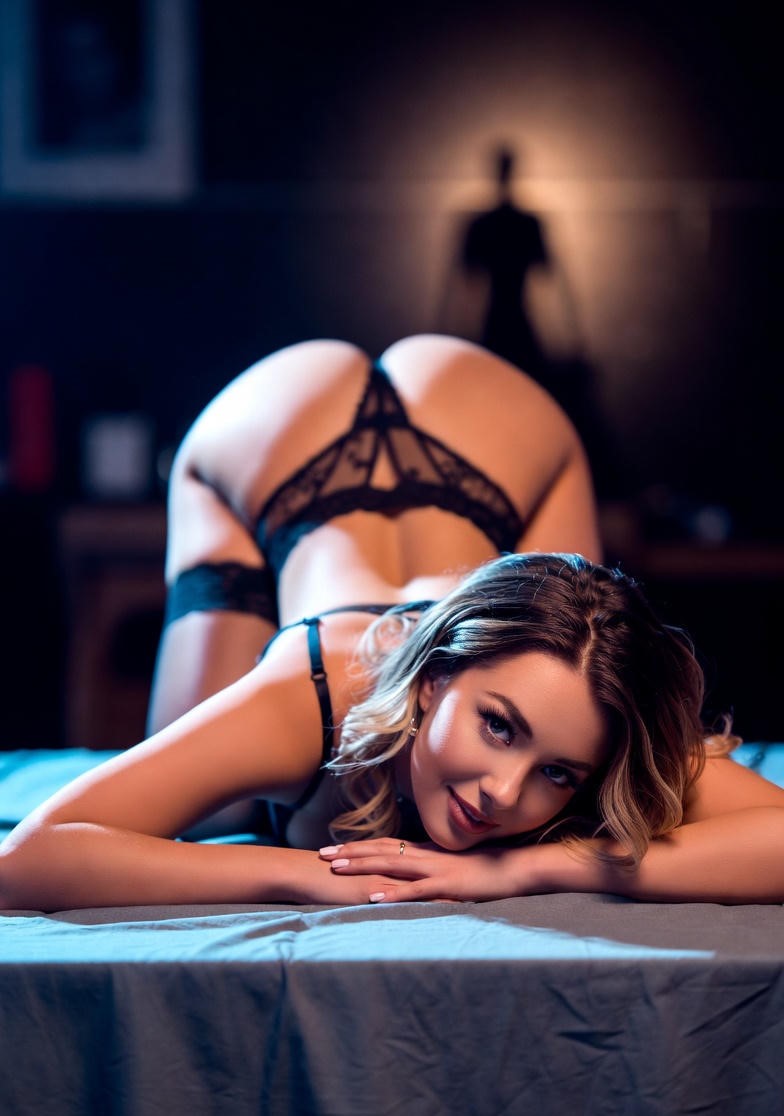
The Rise of AI-Generated Adult Imagery: Tools, Ethics, and Responsible Use
The rapid advancement of AI image creation tools has revolutionized how digital content is generated‚ including the creation of adult-themed imagery. In the United States‚ the rise of generative AI art and synthetic media platforms has sparked both excitement and concern. While these technologies offer unprecedented creative possibilities‚ they also raise important questions about AI art ethics‚ deepfake concerns‚ and the responsible use of computer-generated images. This article explores the landscape of AI-powered adult image generation‚ the tools available‚ ethical considerations‚ and how to navigate this evolving field responsibly.
The Evolution of AI-Generated Adult Imagery
The ability to generate hyper-realistic AI-generated portraits and synthetic human images has become increasingly accessible‚ thanks to breakthroughs in deep learning visuals and neural network visuals. These advancements have given rise to a new wave of AI art generators capable of producing realistic AI images that blur the line between digital and real photography. In the United States‚ platforms leveraging artificial intelligence imagery and automated image synthesis are being used for a variety of purposes—from artistic expression to controversial applications.
Early experiments with deepfake technology and AI image manipulation laid the groundwork for today’s sophisticated AI-powered graphics. Today‚ tools like digital photo generators and virtual human creation software enable users to craft detailed‚ lifelike images with minimal effort. However‚ the potential for misuse—such as creating AI-generated avatars or fake photo detection challenges—has led to growing scrutiny of these technologies.
Popular AI Tools for Adult Image Generation in the U.S.
Several platforms in the United States specialize in AI art creation‚ including those focused on adult-themed content. While many of these tools emphasize AI art trends and machine learning art‚ it’s essential to understand their capabilities and limitations. Below are some of the most notable AI art tools available:
AI-Powered Image Generation Platforms
These platforms utilize neural style transfer and deep learning visuals to generate custom images based on user prompts. Some popular options include:
- Generative AI Art Studios: Platforms that allow users to create AI-generated faces and digital face creation with high fidelity. These tools often incorporate AI art ethics guidelines to prevent misuse.
- Digital Photo Generators: Software that enables the creation of AI-made photography‚ including adult-themed content‚ through advanced computer vision art algorithms.
- Synthetic Media Platforms: Tools designed for synthetic content creation‚ where users can generate AI-powered visuals with customizable parameters.
Deepfake and AI Manipulation Software
While deepfake software is often associated with malicious intent‚ some applications focus on AI image forgery detection and ethical use. However‚ it’s crucial to recognize the risks:
- Deepfake Detection Methods: Tools that analyze AI-generated images for signs of manipulation‚ helping users distinguish between real and synthetic content.
- AI Art Authenticity Tools: Platforms that verify the origin of images‚ addressing concerns about AI art authenticity in adult content.
The line between creative expression and exploitation is thin‚ which is why many AI art studios in the U.S. emphasize transparency and ethical guidelines.
Ethical Considerations and Responsible Use
The rise of AI-generated visuals has brought to light significant synthetic media risks‚ particularly in adult content creation. While AI-powered imaging offers incredible creative freedom‚ it also introduces ethical dilemmas:
Consent and Exploitation
The creation of AI-generated portraits or synthetic human images without consent raises serious concerns about privacy and exploitation. Unlike traditional photography‚ AI art generators can produce convincing images of individuals who never agreed to be depicted. This has led to debates about:
- Deepfake Prevention: Measures to prevent the misuse of AI-generated avatars for non-consensual purposes.
- AI Art Ethics: Guidelines ensuring that AI-generated faces are used responsibly‚ with clear boundaries on consent and authenticity.
Misinformation and Deepfake Concerns
The ability to generate realistic AI images has made deepfake technology a growing threat. In the context of adult content‚ this poses risks such as:
- AI Image Manipulation: The potential for malicious actors to alter or fabricate images‚ leading to reputational harm or blackmail.
- Fake Photo Detection: The need for robust tools to identify AI-made photography and verify its authenticity.
Organizations in the U.S. are increasingly focusing on deepfake detection methods to combat the spread of synthetic media‚ ensuring that AI art authenticity remains a priority.
Legal and Regulatory Challenges
The legal landscape surrounding AI-generated visuals is still evolving. While some states in the U.S. are introducing laws to regulate AI image forgery‚ others are lagging behind. Key considerations include:
- Copyright and Ownership: Determining who owns AI-generated faces or digital face creation content—users‚ platforms‚ or AI developers.
- Defamation and Harm: Liability for AI-powered visuals that cause emotional or financial harm to individuals.
- Age Verification: Ensuring that users of AI art tools are of legal age‚ particularly in adult content creation.
As AI art trends continue to grow‚ policymakers and platforms must work together to establish clear regulations that balance innovation with protection.
How to Use AI Tools Responsibly
If you’re exploring AI image creation tools for adult content‚ it’s essential to approach the process with caution and responsibility. Here’s how you can use these technologies ethically:
Prioritize Consent and Authenticity
Always ensure that any AI-generated portraits or synthetic human images you create are based on consented models or publicly available references. Avoid:
- Creating AI-generated avatars that resemble real individuals without permission.
- Using AI art tools to fabricate non-consensual content‚ which can have severe legal consequences.
Verify Image Authenticity
Leverage deepfake detection methods and AI art authenticity tools to ensure that any images you use—or generate—are transparent in their origins. This helps maintain trust and integrity in digital content.
Stay Informed About Legal Risks
Understand the laws governing AI-generated visuals in your state. Some jurisdictions may have stricter regulations on AI image manipulation and synthetic content creation‚ particularly when it comes to adult material.
Choose Ethical Platforms
Opt for AI art studios and generative AI art platforms that prioritize AI art ethics. Look for:
- Clear guidelines on AI-generated faces and digital face creation.
- Transparency about how AI-powered graphics are generated.
- Measures to prevent misuse‚ such as age verification and content moderation.
The Future of AI-Generated Adult Imagery
The field of AI-generated visuals is advancing rapidly‚ with new innovations emerging in computer-generated images and neural network visuals. In the United States‚ the adoption of AI art generators is expected to grow‚ particularly in:
Enhanced Realism
Future AI art tools will likely achieve even higher levels of realism‚ making AI-generated faces nearly indistinguishable from real photographs. This raises questions about the future of fake photo detection and how society will verify digital content.
Expanded Applications
Beyond adult content‚ AI-powered imaging will continue to transform industries like:
- Entertainment: Generating AI-generated avatars for movies‚ games‚ and virtual influencers.
- Education: Creating AI-generated portraits for historical or scientific simulations.
- Marketing: Developing AI-made photography for ads and social media campaigns.
Stricter Regulations
As synthetic media risks become more apparent‚ governments and platforms will likely introduce stricter deepfake prevention measures. This could include:
- Mandatory watermarking for AI-generated images.
- Stricter penalties for AI image forgery and misuse.
- Public awareness campaigns on AI art ethics and responsible use.
Final Thoughts: Balancing Innovation and Ethics
The rise of AI-powered graphics in adult content creation reflects a broader trend in synthetic media applications. While these tools offer exciting possibilities for AI art creation‚ they also come with significant ethical responsibilities. By staying informed‚ using AI art tools responsibly‚ and supporting platforms that prioritize AI art authenticity‚ users can help shape a future where innovation coexists with integrity.
If you’re exploring AI image creation tools for personal or professional use‚ consider experimenting with reputable platforms that allow you to generate and refine AI-generated visuals while adhering to ethical standards. Remember‚ the key to harnessing the power of generative AI art lies in balance—between creativity and responsibility.
Ready to see what AI-powered imaging can create? Try a free demo today and discover the possibilities of generative AI art while staying informed about AI art ethics.




Excellent breakdown of the dual-edged nature of AI-generated adult imagery—highlighting both its creative potential and ethical dilemmas. The discussion on responsible use and deepfake concerns is particularly timely and well-articulated. A must-read for anyone navigating this complex intersection of technology and ethics.