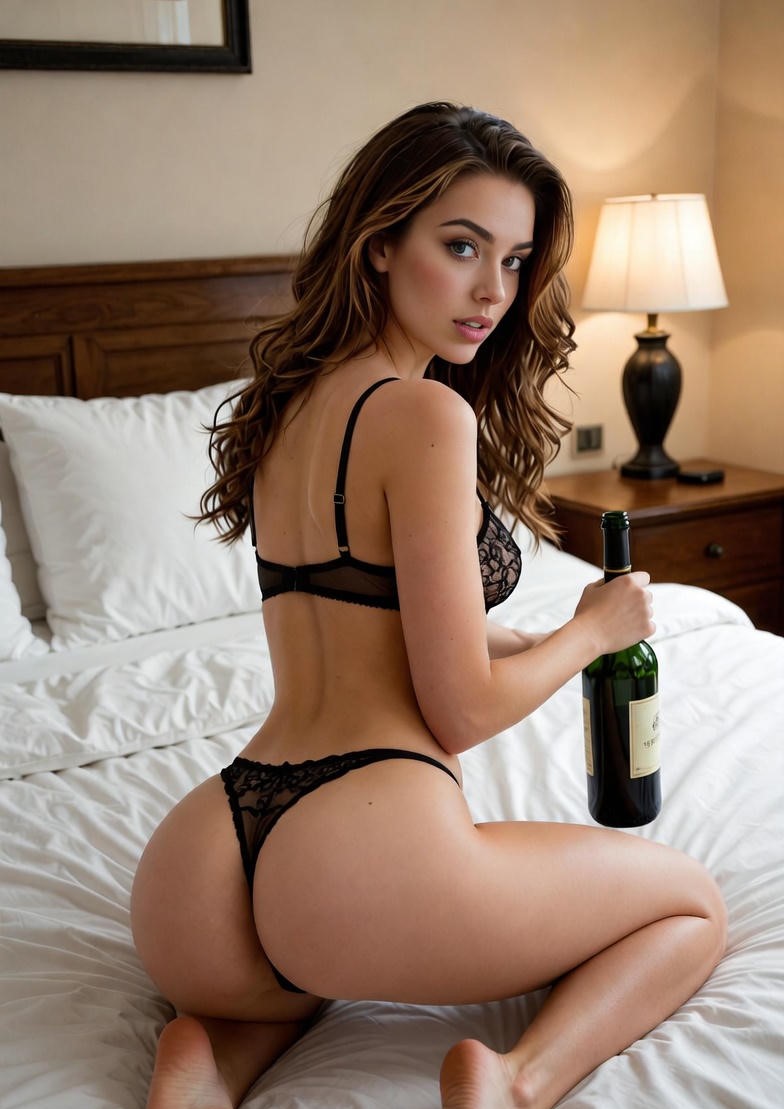
Ethical Implications and Creative Potential of AI Adult Image Generators
The intersection of artificial intelligence and adult content creation has given rise to powerful AI image creation tools capable of generating hyper-realistic computer-generated images with unprecedented detail. Among these advancements, AI portrait generators and generative AI art platforms have become increasingly sophisticated, enabling users to produce realistic AI images that blur the lines between digital and physical reality. In the United States—and globally—these technologies are sparking conversations about synthetic media ethics, AI art licensing, and the broader implications of automated image synthesis.
While the potential for AI-powered photo editing and neural network art is vast, it also raises critical questions about consent, authenticity, and the responsible use of deepfake technology. This article delves into how these AI-powered design tools function, their creative applications, and the ethical considerations surrounding their use—particularly in contexts where privacy and consent are paramount.
How AI Adult Image Generators Work: Behind the Technology
The foundation of modern AI-generated visuals lies in generative adversarial networks (GANs), a type of machine learning visuals that pits two neural networks against each other: a generator that creates images and a discriminator that evaluates their authenticity. Over time, this competitive process refines the generator’s ability to produce AI-generated content that closely mimics real-world imagery. Other techniques, such as neural style transfer, allow users to apply artistic styles to existing images, further expanding the creative possibilities of AI art creation.
Platforms specializing in AI-generated portraits leverage these advancements to enable users to customize computer vision art with precision. By inputting textual prompts—such as descriptions of poses, expressions, or environments—users can generate AI-generated fashion or AI-enhanced photography that aligns with their vision. The result is a seamless blend of virtual image generation and human creativity, though it demands thoughtful consideration of the ethical implications.
For those exploring these tools, it’s essential to recognize that while AI image customization offers limitless potential, it also introduces risks. The ability to create synthetic media without consent can lead to misuse, underscoring the need for AI art platforms to prioritize user safety and ethical guidelines.
Creative Applications: Where AI Meets Adult Content Creation
The advent of AI-powered illustration tools has opened doors for artists, designers, and content creators to explore new dimensions of digital image generation. In the realm of adult content, these AI image manipulation capabilities can be harnessed for:
- Customized Avatars: Users can generate AI-generated advertising or personalized avatars for virtual interactions, blending AI art trends with user preferences.
- Artistic Exploration: Artists can experiment with deep learning graphics to create provocative or surreal AI art authenticity pieces that challenge traditional boundaries.
- Educational and Consensual Content: When used responsibly, AI-generated fashion or AI art licensing can facilitate discussions about body positivity, diversity, and representation in a controlled, ethical framework.
- Enhanced Storytelling: Filmmakers and writers can integrate synthetic media verification into narratives, using AI-generated content to create immersive worlds or speculative scenarios.
However, it’s critical to emphasize that these tools should never be used to create non-consensual or harmful synthetic media. The power of AI image authenticity tools lies in their ability to empower creators—when wielded with integrity and respect for others.
Ethical Use: Always ensure that any AI-generated visuals you create are produced with explicit consent, transparency, and adherence to legal standards. The rise of deepfake detection tools and AI art authenticity verification underscores the importance of accountability in synthetic media production.
The Ethical Dilemmas of AI-Generated Adult Content
The capabilities of AI-generated portraits and deepfake software present significant ethical challenges, particularly concerning synthetic media risks and AI art copyright. Key concerns include:
- Non-Consensual Creation: The ease of generating AI-generated advertising or AI image manipulation without explicit consent raises alarms about deepfake prevention and the potential for exploitation. Platforms must implement robust AI image moderation to prevent misuse.
- Misinformation and Manipulation: The proliferation of synthetic media impact can distort reality, leading to deepfake mitigation becoming a critical priority. Users must be educated on AI art authenticity to discern between genuine and fabricated content.
- Legal and Regulatory Gray Areas: The landscape of AI art licensing and deepfake legislation is evolving. In the U.S., laws like the Deepfake Act aim to address the misuse of AI-generated content, but enforcement remains a challenge. Creators must stay informed about synthetic media regulation to avoid legal repercussions.
- Psychological and Social Harm: The spread of AI-generated fashion or AI art trends that perpetuate harmful stereotypes or exploit vulnerable individuals can have lasting consequences. Ethical AI art platforms must prioritize harm reduction and promote positive representations.
The debate around AI art authenticity is not just technical—it’s deeply human. As AI-driven visual content becomes more accessible, the onus is on creators, platforms, and society to ensure that these tools are used responsibly. This includes advocating for AI art marketplaces that enforce strict AI image moderation and deepfake awareness campaigns to educate users.
Warning: The creation or distribution of non-consensual synthetic media is illegal in many jurisdictions and can have severe legal consequences. Always prioritize consent, transparency, and ethical guidelines when using AI image creation tools.
How to Use AI Adult Image Generators Responsibly
If you’re exploring AI-powered design tools for adult content creation, here’s how to navigate the process ethically and legally:
- Prioritize Consent: Ensure that any AI-generated portraits or computer-generated images you create involve individuals who have explicitly consented to their use. This is non-negotiable in ethical AI art creation.
- Use Platforms with Safeguards: Opt for AI art platforms that implement AI image moderation, deepfake detection tools, and clear AI art licensing policies. Reputable services will have measures in place to prevent misuse.
- Educate Yourself on Legislation: Stay updated on deepfake legislation and synthetic media regulation in the U.S. and other relevant jurisdictions. Laws around AI-generated content are evolving, and compliance is essential.
- Avoid Deepfakes and Manipulation: Refrain from using deepfake technology to create or distribute misleading synthetic media. The ethical use of AI-generated visuals should never involve deception or harm.
- Support Ethical AI Art Trends: If you’re creating AI-generated fashion or AI art authenticity pieces, consider platforms that promote diversity, inclusivity, and positive representations. Your work can contribute to a more responsible AI art marketplaces ecosystem.
By adhering to these principles, you can harness the power of AI image customization while minimizing harm and contributing to a more ethical future for synthetic media.
The Future of AI-Generated Adult Content: Balancing Innovation and Ethics
The trajectory of AI-generated content is undeniable. As generative AI art continues to advance, the lines between AI art authenticity and human creation will only blur further. The challenge lies in ensuring that this innovation is accompanied by robust AI art ethics and synthetic media verification mechanisms.
In the U.S. and beyond, policymakers, technologists, and creators must collaborate to establish frameworks for AI art licensing, deepfake prevention, and AI image moderation. This includes:
- Advocating for deepfake legislation that holds creators accountable for misuse.
- Developing AI art marketplaces that prioritize transparency and user safety.
- Promoting AI art authenticity through education and awareness campaigns.
- Supporting research into deepfake detection tools to combat synthetic media manipulation.
The future of AI-powered illustration in adult content creation hinges on striking a balance between creativity and responsibility. By embracing AI art trends that prioritize ethical use, we can ensure that these tools remain a force for positive change rather than harm.
Ready to Explore Responsibly?
Discover how AI image creation tools can be used ethically by trying our platform today. Upload a photo or generate new AI-generated visuals with our AI-powered design tools—all while adhering to strict AI image moderation guidelines. Start your free trial now and experience the future of digital image generation responsibly.
Final Thoughts: Navigating the AI Adult Image Landscape
The rise of AI-generated portraits and AI image customization tools represents a paradigm shift in how we create and consume visual content. While the potential for AI art creation is immense, it also demands vigilance and ethical foresight. As users, creators, and consumers, we must approach synthetic media with caution, respect, and a commitment to responsible innovation.
Whether you’re exploring AI-generated fashion for artistic expression or seeking to understand the AI art authenticity of digital content, the key takeaway is clear: technology should serve humanity, not the other way around. By staying informed, advocating for AI art ethics, and using AI-powered photo editing tools mindfully, we can shape a future where creativity and responsibility go hand in hand.
For those interested in experimenting with AI-generated visuals responsibly, the journey begins with education, awareness, and a steadfast commitment to ethical practices. The tools are here—it’s up to us to wield them wisely.